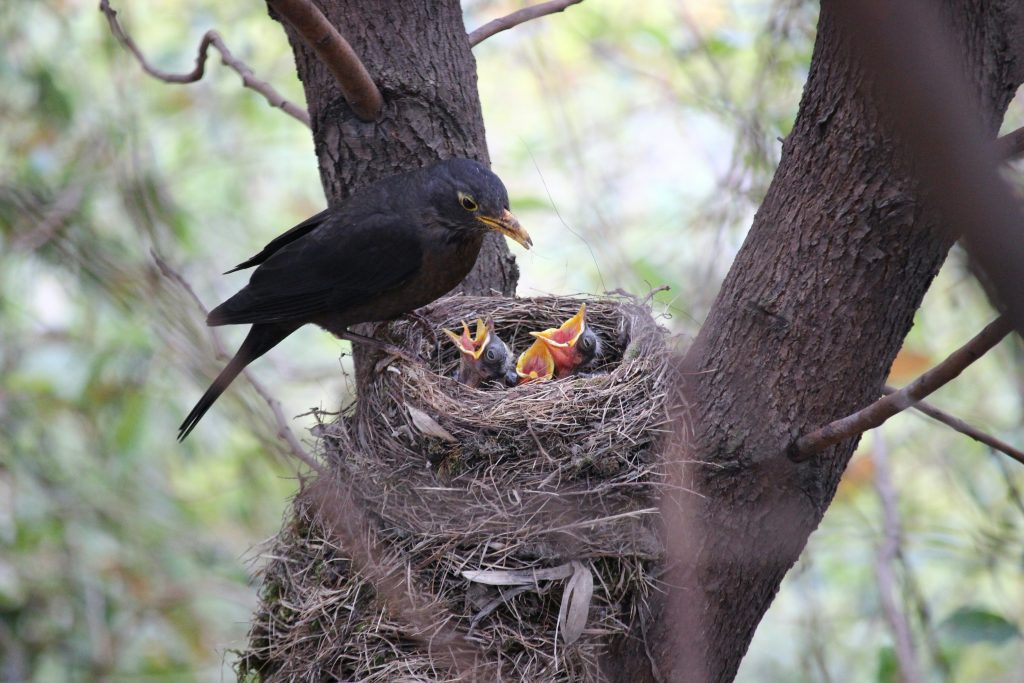
Let me be real with you for a second. I’ve spent more hours than I’d like to admit crouched in my backyard, binoculars aimed at a scrubby oak tree, watching a pair of American robins build a nest from scratch. And honestly? It changed the way I see the world.
These birds — with no hands, no Home Depot, and no mortgage broker — were constructing something genuinely beautiful. Twig by twig. Mud layer by mud layer. It was humbling, and a little embarrassing for our species.
So let’s dive in. Whether you’re a backyard birdwatcher, a curious nature lover, or just someone who stumbled here after Googling something weird at 2am — this one’s for you. We’re talking about amazing birds and their nests, and trust me, you will not believe what some of these creatures are capable of.
~6 weeks
average nest-building time
~6 weeks
average nest-building time
1,500+
materials one nest can contain
400 lbs
weight of the largest bird nest ever recorded
Why Bird Nests Are More Than Just “Twigs in a Tree”
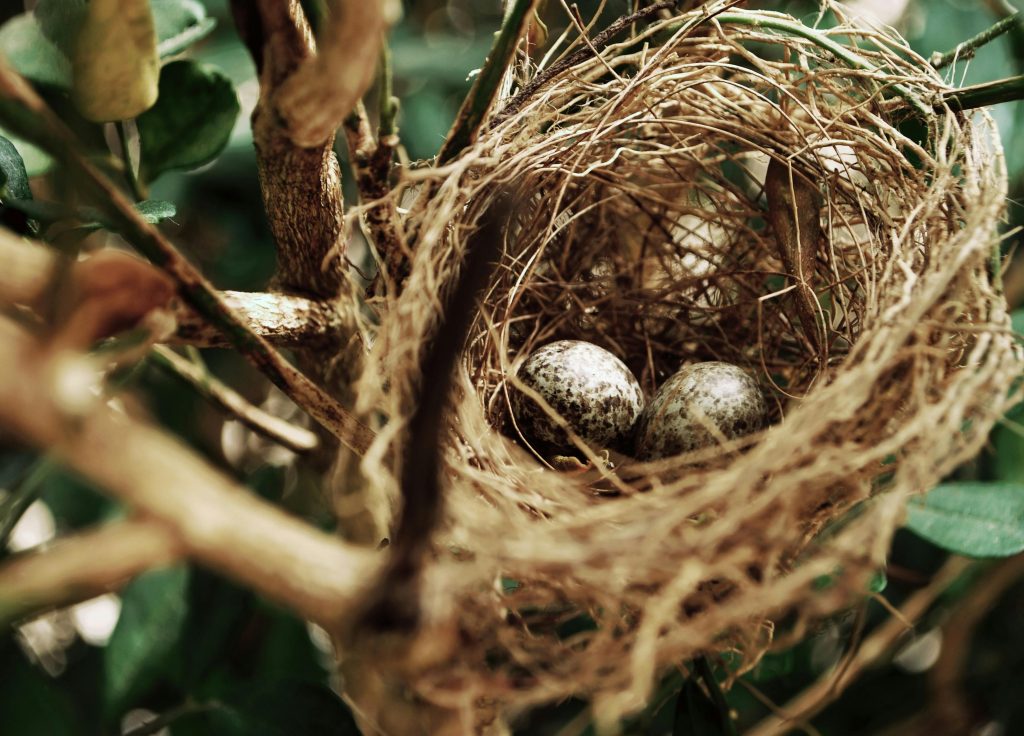
Here’s a thing a lot of people get wrong: nests aren’t homes. Birds don’t live in nests the way we live in apartments. A nest is more like a maternity ward — a safe, purpose-built space specifically for laying eggs, incubating them, and raising chicks until they can fend for themselves.
Once the babies have fledged and flown off? The nest is often abandoned entirely. Some birds will reuse nests in following seasons. Others build a fresh one every single year. And a select few — I’m looking at you, bald eagles — just keep adding to an existing nest until it becomes something frankly terrifying in size.
Did You Know?
A bald eagle nest in Florida was recorded at 9.5 feet wide and 20 feet deep, weighing over 2 tons. It had been added to for 34 consecutive years. That's not a nest. That's a legacy.
By the way, the materials birds use are endlessly inventive. Grass, moss, mud, animal fur, spider silk, plant fibers, bark, feathers, fish bones — and in urban environments, birds have been spotted weaving in cigarette butts (turns out nicotine repels parasites), plastic wrappers, and even human hair. Resourceful? Absolutely. Slightly disturbing? A little bit, yeah.
The World’s Most Incredible Bird Nest Builders
Alright, here’s where things get genuinely wild. Not all birds are created equal when it comes to nest construction. Some are basic. Some are brilliantly efficient. And some are just… showing off.
Sociable Weaver : Builds apartment-block nests housing up to 500 birds. Think of it as the world’s most chaotic shared housing situation — except it works perfectly.
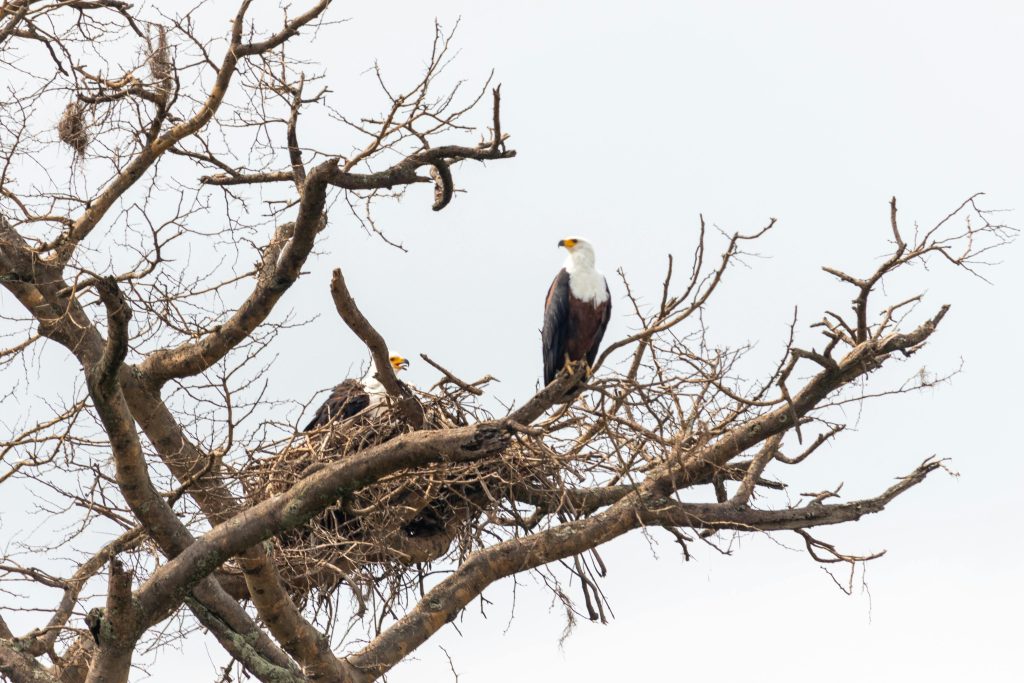
Bald Eagle : The obsessive home renovators of the bird world. They add to the same nest year after year until it could rival a small car in weight.
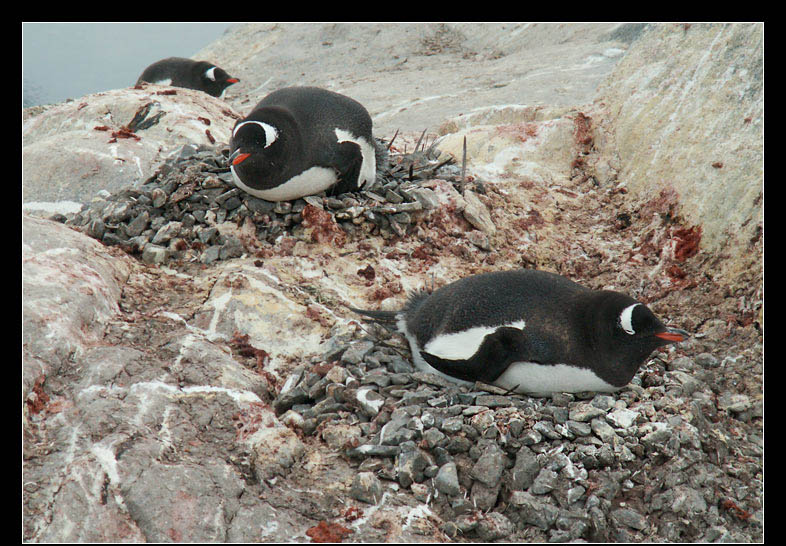
Emperor Penguin : Doesn’t build a nest at all. Balances a single egg on its feet in Antarctic blizzards. Minimalism taken to an extreme.
The Weaver Birds: Nature’s Master Craftsmen
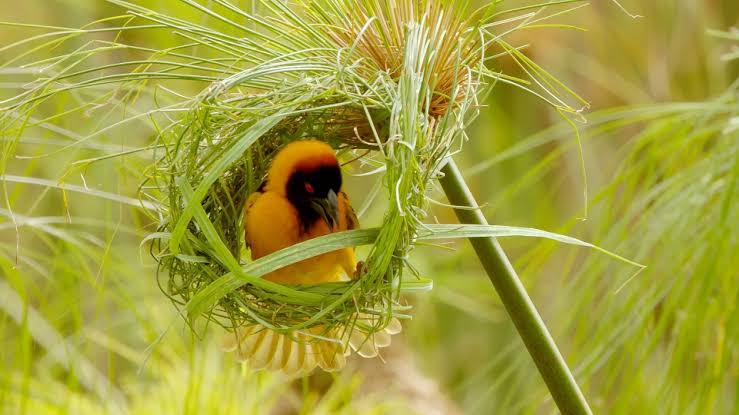
If there’s one bird family that deserves a standing ovation for nest construction, it’s the weaverbirds (family Ploceidae). Found mainly across Africa and Asia, these small birds — often no bigger than a sparrow — weave intricate, enclosed nests from grass, reeds, and palm fronds with a precision that genuinely baffles scientists.
The male village weaver, for example, begins by stripping fresh grass blades and tying them into a foundation ring attached to a branch. Then — methodically, loop by loop — he weaves walls, a roof, and an entrance tunnel. The finished product looks like a tiny green lantern hanging from a tree. It’s waterproof, ventilated, and structurally sound.
And get this: the female inspects the nest before she accepts it. If she finds it subpar — too rough, wrong shape, poorly attached — she tears it apart while the male watches. He then has to start completely over. Honestly, the quality control alone deserves respect.
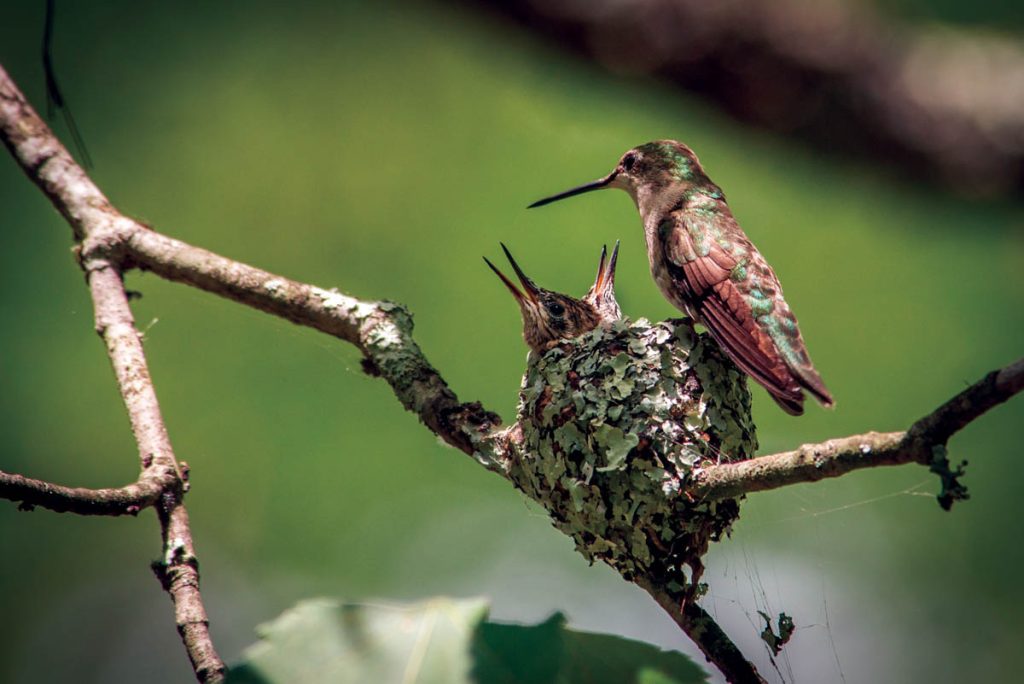
The Hummingbird: Tiny Bird, Incredible Engineering
Now, if weaverbirds are the grand architects, hummingbirds are the jewelers of the nest world. A ruby-throated hummingbird builds a nest about the size of a walnut shell — sometimes smaller — using plant fibers and thistle down, all bound together with spider silk.
And not just any spider silk. The hummingbird specifically selects elastic spider silk so the nest can stretch as the chicks grow. Let that sink in. A bird with a brain the size of a pea has figured out that elastic material solves the problem of a growing family in a fixed space. That’s adaptive engineering. That’s genius wrapped in feathers.
I once saw a hummingbird nest up close on a hiking trail in Costa Rica. It was attached to the underside of a broad leaf, completely hidden from above, camouflaged with lichen on the outside. You’d walk right past it. You’d never know. It was the most exquisite little thing I’ve ever seen in nature, and I’ve seen a lot of nature.
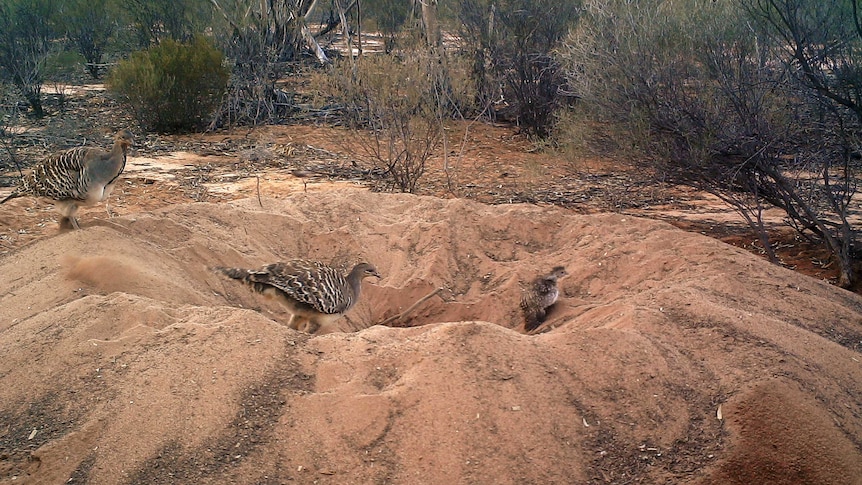
The Malleefowl: The Bird That Doesn’t Sit on Its Eggs
Here’s one that’ll flip your understanding of what a nest even is. The Australian malleefowl builds what’s essentially a compost heap. A big one. We’re talking mounds up to 15 feet tall and 35 feet wide, made of soil, sand, and organic material.
The male buries the eggs inside, and then — this is the genius part — he regulates the temperature of the mound for the entire incubation period, which lasts up to 60 days. He tests the temperature by poking his bill into the mound like a living thermometer. Too warm? He opens it up to release heat. Too cool? He piles more material on. He maintains an almost constant 33°C. No electricity. No thermostat. Just one very attentive bird with an extraordinary sense of internal heat detection.
Bird Nests and the Materials They Use
Let’s talk raw materials for a minute, because this is where bird nests get surprisingly creative. While most people picture a nest as a cup of twigs and grass, the reality is far more varied and fascinating.
- Spider silk — Used by hummingbirds, sunbirds, and many warblers for elasticity and binding. It’s essentially natural Velcro.
- Mud — The American robin lines its nest with a thick mud layer, which hardens into a solid cup. Flamingos build mud mound nests up to 12 inches high.
- Saliva — The edible nest swiftlet (yes, the one responsible for bird’s nest soup) builds its entire nest from hardened saliva. Nothing else. That’s commitment.
- Animal fur and wool — Long-tailed tits construct globe-shaped nests insulated with thousands of feathers and fur, sometimes up to 2,000 individual feathers. It’s like sleeping inside a down duvet.
- Human-made materials — Urban birds are phenomenally adaptive. House sparrows, crows, and magpies routinely incorporate plastic, string, wire, and fabric scraps. Researchers have found smart cards and even shoelaces woven into nests.
The Most Unusual Nests in the Bird Kingdom
By now you might be thinking, “Okay, I get it — birds are impressive.” But we haven’t even gotten to the truly weird stuff yet.
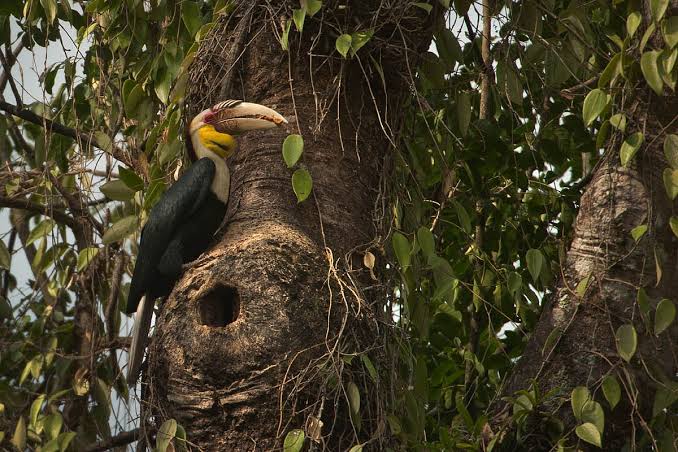
The Hornbill: Self-Imprisonment as Parenting Strategy
The great hornbill female finds a tree cavity, enters it, and then — with help from her mate — seals herself inside. Using mud, droppings, and food debris, she plasters the entrance until only a narrow slit remains. She stays in that cavity for up to four months while incubating eggs and raising chicks, fed through the slit by her mate the entire time.
This protects her and the eggs from predators (monkeys, snakes, other birds). But the vulnerability is real: if the male dies, the female and chicks are trapped and will perish. It’s a high-stakes reproductive strategy built entirely on trust. Nature is terrifying and beautiful simultaneously.
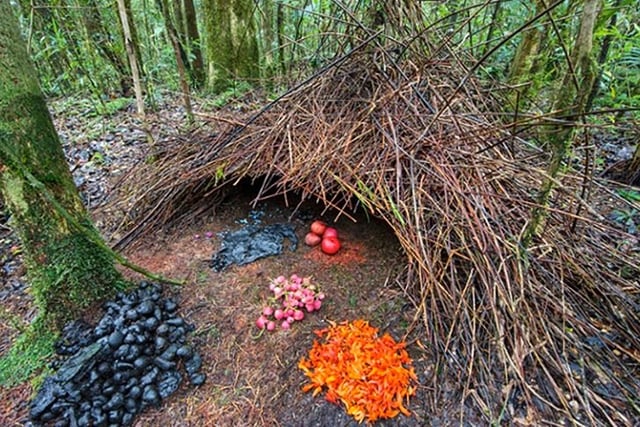
The Bowerbird: Nest or Art Gallery?
Honestly, the bowerbird might be the most interesting bird on this planet. The male satin bowerbird doesn’t just build a structure — he curates one. He constructs a “bower” (not technically a nest — it’s used for courtship, not incubation) from sticks, then decorates it exclusively with blue objects. Blue feathers, blue berries, blue plastic bottle caps, blue pen lids.
His entire color scheme is intentional and consistent. He’ll steal blue objects from neighboring bowers. He’ll remove non-blue items competitors try to plant to sabotage his display. He has aesthetic preferences. He defends them. If that doesn’t make you rethink your definition of animal intelligence, I’m not sure what will.
The Cliff Swallow: Community Housing Done Right
Cliff swallows build gourd-shaped mud nests clustered in colonies of hundreds — sometimes thousands — on cliff faces, bridge undersides, or building walls. Each nest is a sealed mud chamber with a narrow entrance tube that makes it nearly impossible for predators to reach inside.
What’s remarkable is the colony behavior. Swallows share information about food sources. Successful foragers are followed back to feeding areas by nest neighbors. It’s genuinely cooperative living, with a social intelligence that still surprises researchers.
How Do Birds Know How to Build Nests?
This is one of those questions that seems simple until you actually think about it. A young bird hatches, grows up, leaves the nest — and then, often without ever watching another bird build, constructs its own nest the following breeding season. How?
The answer is a mix of instinct and learning. Nest architecture is largely genetically encoded — the basic blueprint is hardwired into each species. But birds also refine their technique through practice. Studies on captive weaver birds raised in isolation showed that their early nests were crude and inefficient, but improved dramatically with each attempt, even without observing other birds.
It’s instinct sharpened by experience. Nature’s way of saying: you were born knowing what to do, but you’ll get better with practice. Which, come to think of it, is pretty good life advice for humans too.
Why Birds Choose Specific Nesting Locations
Location is everything in real estate, and birds are very particular clients. The factors influencing nest site selection include:
- Predator avoidance — Height, concealment, and inaccessibility are all key. A nest over water, for instance, is much harder for ground predators to reach.
- Microclimate — Many birds choose south-facing nest sites to maximize sun exposure and warmth. Cave swallows preferentially nest where airflow maintains a consistent temperature.
- Proximity to food — Seabirds nest in colonies near productive fishing areas. Raptors nest in territories with reliable prey populations.
- Competition and territory — Nesting too close to rivals of the same species can mean resource competition and nest sabotage. Birds maintain specific territory sizes accordingly.
- Structural support — The substrate has to hold. American dippers nest beside fast-moving streams on mossy rocks and ledges specifically because the constant mist keeps the moss growing — providing both camouflage and structural material.
The Impact of Climate Change on Bird Nesting
Here’s the part I wish we didn’t have to talk about, but ignoring it would be dishonest. Climate change is genuinely disrupting bird nesting patterns in measurable ways, and the effects are compounding.
Warmer springs mean that insects — the primary food for many nestlings — emerge earlier. But many birds are still arriving at breeding grounds on their traditional migratory schedule, which is changing more slowly than plant and insect phenology. The result is a timing mismatch: chicks hatch after the peak insect abundance has already passed. Survival rates drop.
Additionally, extreme weather events — heavier rainfall, unexpected late frosts, heat waves — are destroying nests at higher rates. Some species are adapting by nesting earlier. Others, particularly long-distance migrants, don’t have the flexibility to respond quickly enough to local conditions.
Scientists are watching these shifts closely. Citizen science projects like eBird and NestWatch actively encourage birdwatchers to log nest observations, building datasets that help track changes over time. If you birdwatch, contributing your observations is genuinely valuable. Not just a nice gesture — actually useful science.
Frequently Asked Questions
Q: Which bird builds the biggest nest?
The bald eagle holds the record for the largest nest built by a single pair of birds. The largest recorded bald eagle nest, located in St. Petersburg, Florida, measured 9.5 feet wide and 20 feet deep, weighing approximately 2 tons after decades of additions. Sociable weavers build the largest communal nest structure, which can house up to 500 individual birds.
Q: Do birds reuse their nests?
Some do, some don’t. Eagles, ospreys, and herons often return to and add to the same nest year after year. Many songbirds build a fresh nest each breeding season, even within the same year if they raise multiple broods. Some birds, like house sparrows, will reuse nests but clean them out first. Others abandon nests entirely once the chicks have fledged.
Q: Why do birds use spider silk in nests?
Spider silk is one of nature’s most remarkable materials — stronger than steel by weight, highly elastic, and sticky enough to bind other materials together. Birds like hummingbirds use it specifically for its elasticity, allowing nests to expand as chicks grow. Other birds use it as a binding agent to attach nests to branches or anchor structural materials together.
Q: Is it illegal to disturb a bird’s nest?
In many countries, yes. In the United States, the Migratory Bird Treaty Act protects the nests of migratory birds (and most native birds qualify). Disturbing, destroying, or removing active nests is illegal without a permit. In the UK, the Wildlife and Countryside Act offers similar protections. Always check local regulations before interfering with any wild bird nest, even if it seems abandoned.
How to Attract Nesting Birds to Your Backyard
Alright, let’s end on something practical and genuinely fun. Want birds nesting in your yard? Here’s what actually works — from someone who’s tried all of it:
- Plant native species — Native shrubs and trees provide the specific insects, fruits, and nesting materials local birds have evolved to use. A native oak supports hundreds of insect species; an ornamental magnolia supports far fewer.
- Leave “messy” areas — A pile of leaves, a log, a patch of tall grass — these aren’t eyesores, they’re habitat. Resist the urge to tidy everything.
- Put up nest boxes — Different birds need different box dimensions and hole sizes. A bluebird box is no good for a wren, and vice versa. Research species in your area and provide appropriately sized boxes.
- Provide nesting materials — A small mesh bag filled with pet fur, dried grass, and short string lengths placed visibly can attract nest-building birds quickly.
- Keep cats indoors during nesting season — Domestic cats are the single largest human-caused threat to nesting birds in North America. It’s a hard truth, but an important one.
- Reduce pesticide use — Insects are baby bird food. A pesticide-free yard is a buffet for nesting parents trying to feed their brood.
Honestly, even small changes make a real difference. A robin nested in my garden planter three years ago, right next to the front door. We watched the whole thing — eggs, hatching, the first wobbly flight. It was one of those rare experiences that felt genuinely precious. Worth every minor inconvenience of using the back door for three weeks.
Birds and their nests are, at their core, a testament to the relentless ingenuity of life. Without tools, without language, without written instructions passed down through generations — these animals have engineered solutions to the same fundamental problem we all face: how do you keep the next generation safe long enough for them to thrive?
The answers they’ve arrived at — a saliva cup, a thermostat mound, an elastic silk cradle, a communal apartment block — are as varied as the birds themselves. And every single one of them works. That’s the part that gets me every time.
So next time you spot a nest — even a small, unassuming cup of grass in your hedge — take a moment. Look closely. Think about what went into it. You’re looking at something genuinely extraordinary. You just have to know to stop and notice it.